
Notice how you feel across body, mood, and mind — one day at a time. Free guides and simple logs help you spot personal patterns at your own pace. No sign-up or payment required.
Start Your Daily Check-InMost people remember only the extremes — a terrible night's sleep, a great walk, an exhausting afternoon. Everything in between fades. Daily wellbeing tracking captures those ordinary moments so you can see the full picture. A two-minute evening log of sleep quality, energy, mood, movement, and food rhythm often reveals links you would otherwise miss.
Many people find that noting daily habits — even briefly — makes patterns easier to see over time. The goal is observation, not scoring yourself. You are gathering information about your own rhythms: when energy dips, which days feel lighter, whether poor sleep precedes lower mood marks.
This approach suits busy schedules in Christchurch and across New Zealand. A notebook on the kitchen counter, a notes app, or a printed checklist all work. Consistency beats detail — five honest marks per day tell a clearer story than a perfect journal you abandon after a week.
Your core log rests on five daily marks: sleep quality and duration, energy level (low, medium, or high), mood using colours or simple emoji scales, movement in minutes, and nutrition balance with regular mealtimes. Together they sketch a complete wellbeing snapshot without overwhelming you with numbers.
Morning works well for sleep and initial energy notes; evening suits mood, movement totals, and how balanced your meals felt. Some people prefer a single end-of-day review — that is fine too. What matters is picking one time and keeping it steady for at least fourteen days before drawing conclusions.
Optional notes about tension or shallow breathing can sit alongside the five marks when a day feels stressful — for example, "felt tight after a long meeting." These notes are personal observations, not medical measurements.

Log energy as low, medium, or high at the same time each day. After two weeks, chart when dips appear — often post-lunch or late afternoon. Matching demanding tasks to your high-energy windows becomes easier once the pattern is visible on paper.
Record hours slept plus a simple quality rating: restful, interrupted, or poor. Compare sleep marks with next-day energy and mood entries. Many people find that even thirty minutes less sleep shows up clearly in their tracking data by day three.
Note whether meals were balanced and on time rather than counting calories. Mark "regular" when you ate at usual hours with vegetables and protein; "irregular" when you skipped meals or relied on heavy snacks. Cross-reference with afternoon energy logs.
Track total active minutes — walks, stretching, cycling to work, gardening. A weekly total often matters more than hitting a perfect number every day. New Zealand's outdoor paths make even short harbour walks easy to log and repeat.
Mood tracking works best with simple tools: a colour per day (yellow for bright, grey for flat, orange for restless) or a three-point emoji scale. Add one optional sentence when something stands out — "felt flat after back-to-back meetings." Over time, colours cluster and tell a story about weekly rhythm.
Stress can be logged as a number from one to five or as descriptive words: calm, tense, overwhelmed. Motivation tracks separately — you can feel stressed yet motivated, or calm yet unmotivated. Splitting these avoids collapsing complex days into a single bad mark.
Review emotional logs alongside physical data. Poor sleep plus grey mood on the same weekday three weeks running may be a pattern worth noticing — you might choose to adjust bedtime or lighten that day's schedule if it feels right for you.
Emotional Tracking Guide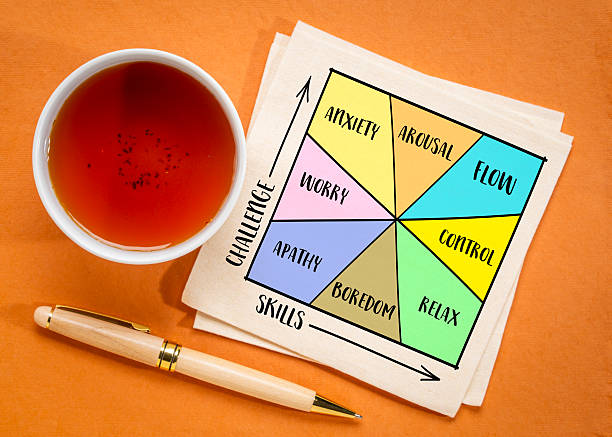
Concentration tracking asks a simple daily question: how focused did you feel during your main work block? Rate it low, medium, or high, and note one factor that helped or hindered — open tabs, noise, good sleep, or a clear priority list. Productivity logs work differently: record what you actually finished, not what you planned. Comparing the two reveals overcommitment patterns.
Balance marks capture whether work spilled into evening rest, whether you had time for relationships or hobbies, and whether the day felt sustainable. A weekly balance score — satisfactory, stretched, or overloaded — sums up seven daily notes without harsh judgment.
Mental tracking pairs naturally with physical data. High focus days often follow solid sleep marks; scattered afternoons frequently follow skipped lunch entries in your nutrition log.
Raw notes become useful when you can see them at a glance. A weekly bar chart of completed check-ins shows which days you skip — often weekends or Wednesdays. Colour-coded calendars display mood trends: a row of grey days prompts a gentle review of sleep and movement logs, not self-criticism.
Badges reward consistency: seven days of full five-mark entries, fourteen days of mood logging, a month of movement totals recorded. They celebrate showing up to track, not achieving a perfect score. Streaks can motivate without turning wellbeing into a competition.
Gorgeousshoulder.ddd is a free lifestyle education website based in Christchurch, New Zealand. We publish practical guides about daily wellbeing tracking — how to log sleep, energy, mood, movement, and meal rhythm in a simple, honest way.
Contact: 224 Cashel Street, Christchurch 8011 · +64 3 365 2447 · message@gorgeousshoulder.world · Mon–Fri 9:00–17:00 NZST
Gorgeousshoulder.ddd is operated from Christchurch, New Zealand. We publish free lifestyle guides only — no paid plans, products, or clinical services. See our About page for full business details and office hours.
No. All content is general lifestyle information for personal self-tracking. It does not replace advice from a qualified professional. If you have ongoing concerns about sleep, mood, or energy, speak with your GP or another appropriate registered provider in New Zealand.
No. Our guides and checklists are free to read. We do not sell supplements, devices, courses, or subscription access to the main content on this website.
Most people complete five marks in two to four minutes. A single evening review works well. Add optional notes only when something notable happened — keep the habit lightweight so it survives busy weeks.
No. Paper and pen remain reliable. A notes app or printable checklist also works. Choose the format you will actually open daily — simplicity beats features you never use.
Resume without backfilling unless you remember clearly. Gaps are data too — they often appear during travel or intense work periods. Note the pattern and restart the next day.
That is your choice. Some people review weekly entries with a friend or partner for accountability. Keep raw data private unless you feel comfortable sharing — tracking is personal by default.
Start with the five-mark checklist this week. One honest log per day builds a picture of your wellbeing that no single memory can capture.
Get in Touch